
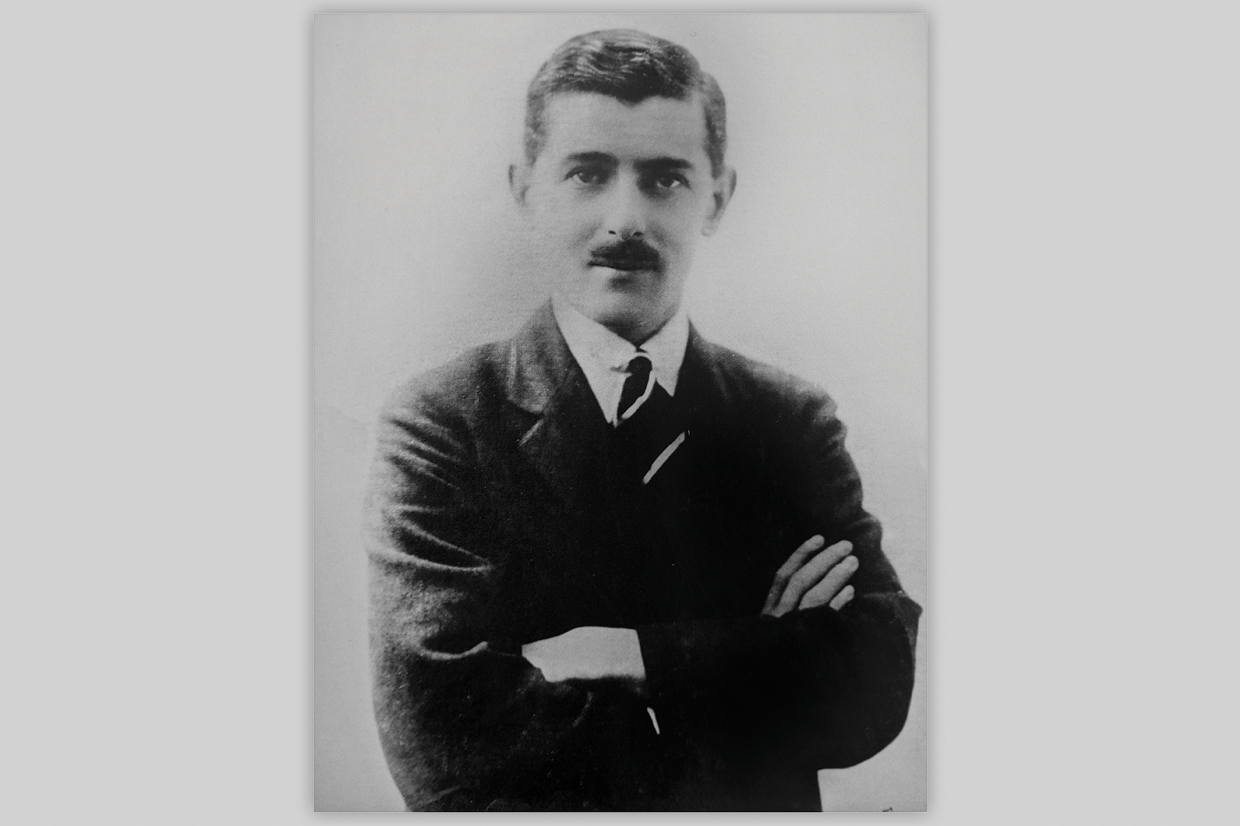
Noel Macklin is not as well-known as Scott-Paine and Du Cane today, but his story is no less remarkable and his output was genuinely prolific. He served in the army in the first world war but was injured in November 1914, invalided out and then joined the RNVR attached to the Dover Patrol for the remainder of the war – so gaining early CMB experience. After the first world war he went into the car industry and built the highly successful Invicta models.
A paper by Vice Admiral Usborne on the lack of naval preparedness set him thinking. His idea was to build boats using the same production principles used for cars. At the time vessels were built one by one “from the ground up” by shipwrights with each part fabricated on site. Macklin’s concept was to source all the individual parts ready-made and provide them as kits to boat yards. This permitted a much wider range of companies building individual parts (some components were made by a piano manufacturing company!) and much faster final assembly. Stores and spares were easier too – the basis of the modern stores and issuing system used by the RN today has its roots in Macklin’s innovative approach to construction and support. These were ‘flat pack’ boats before ‘flat pack’ was a thing… fifty years ahead of their time!
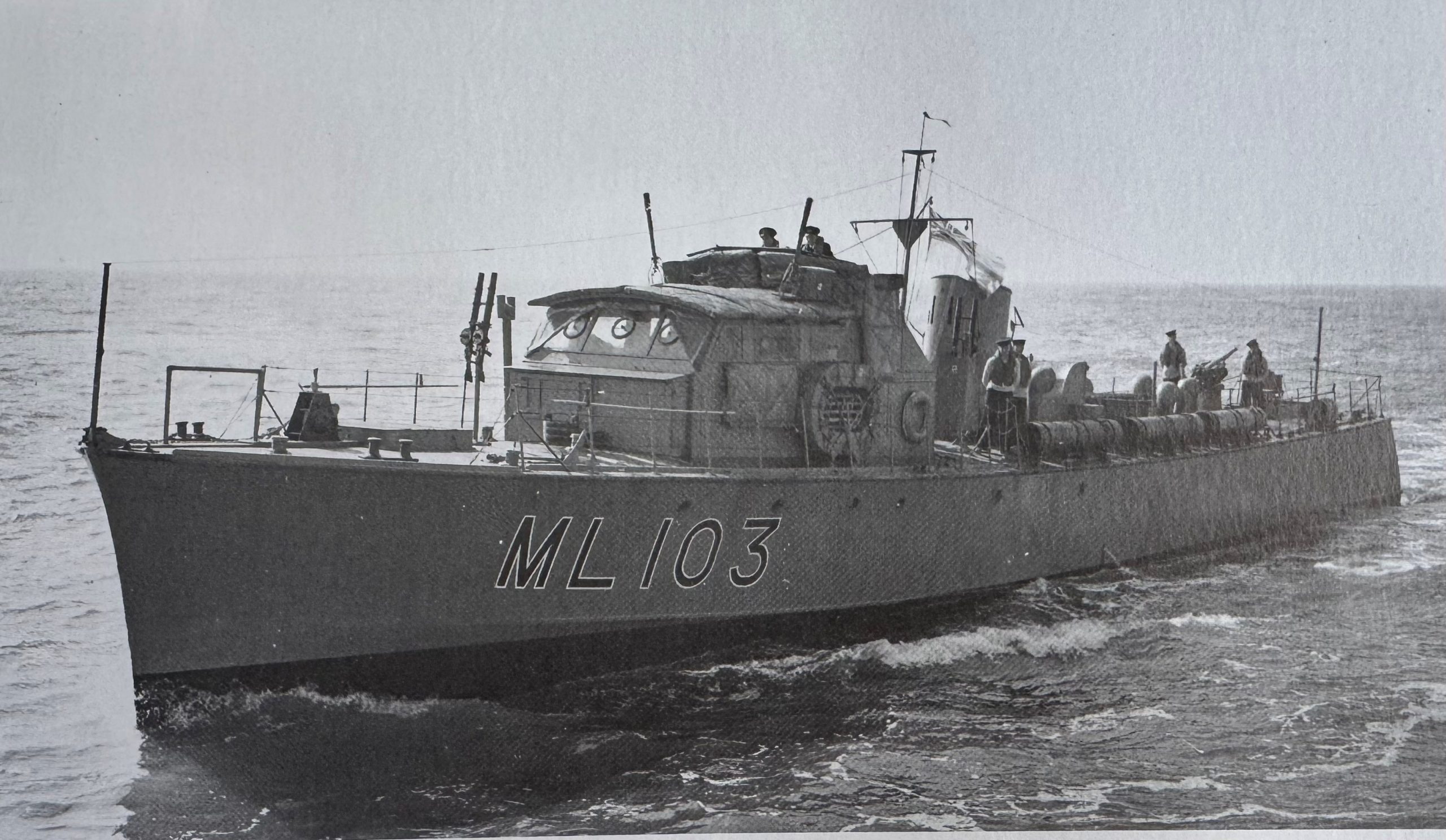
Initially, the Admiralty did not view this idea with any great enthusiasm, but, in spite of this, Macklin set up the Fairmile Marine Company with Usborne as a director. They started a design, led by Norman Hart, and obtained the sole concession for the 600Hp Hall Scott Defender engine form America, where their man on the ground was Reid Railton – whose engines later powered Du Cane’s Bluebird designs. After the Munich crisis the Admiralty view changed and the need for fast anti-submarine craft was realised. By this time Fairmile were already building their protype at Woodnutts yard in Bembridge.
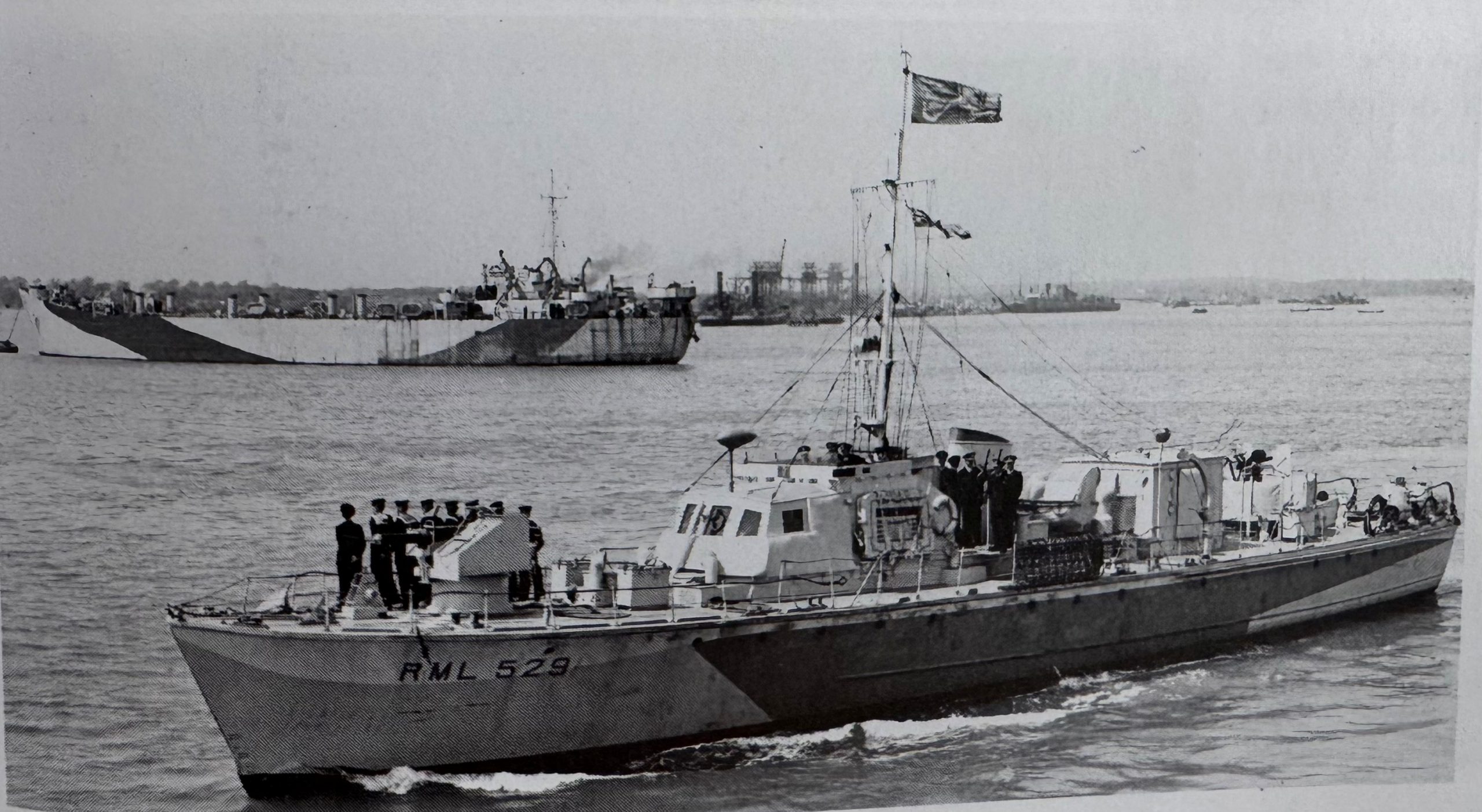
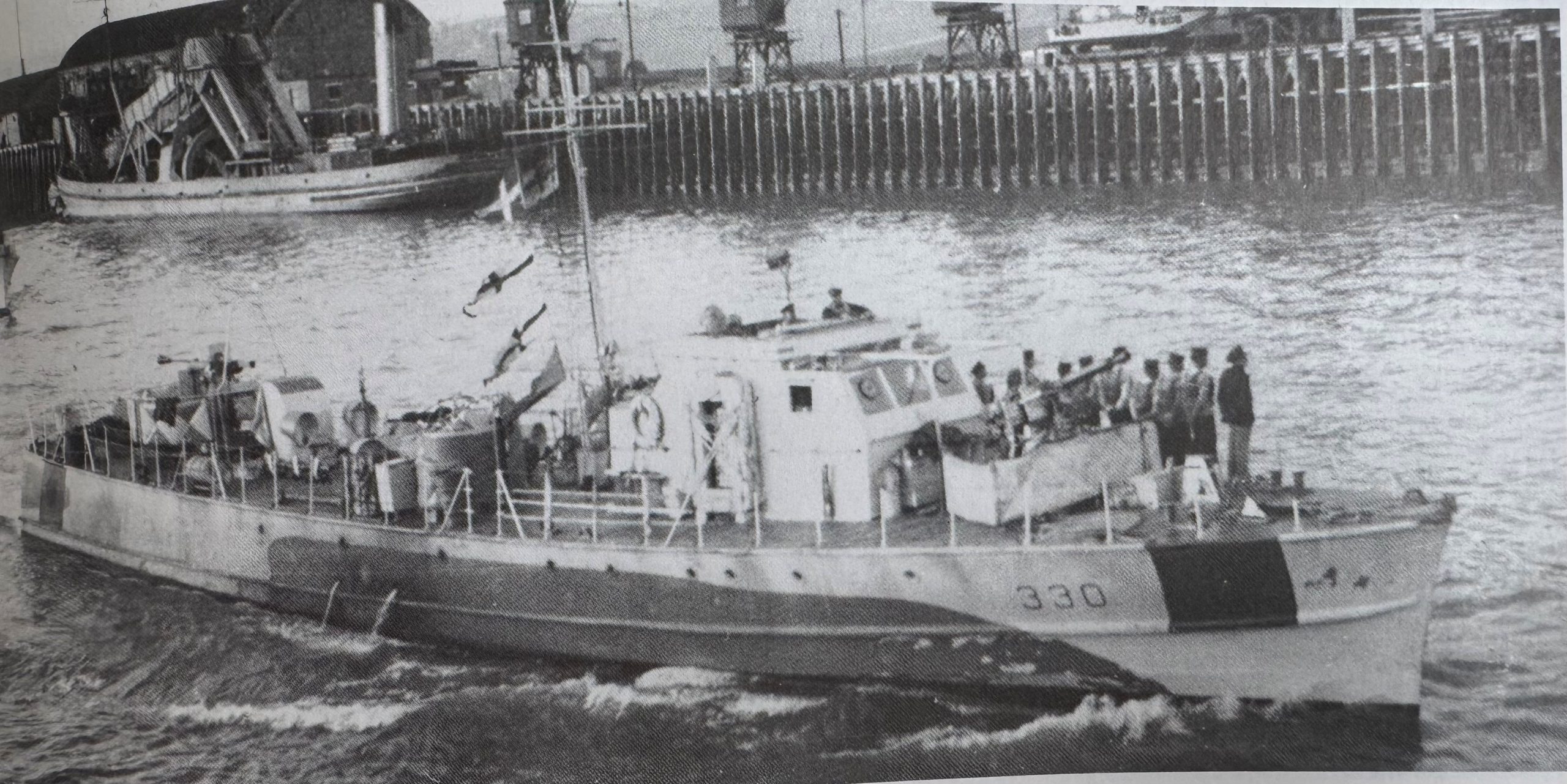
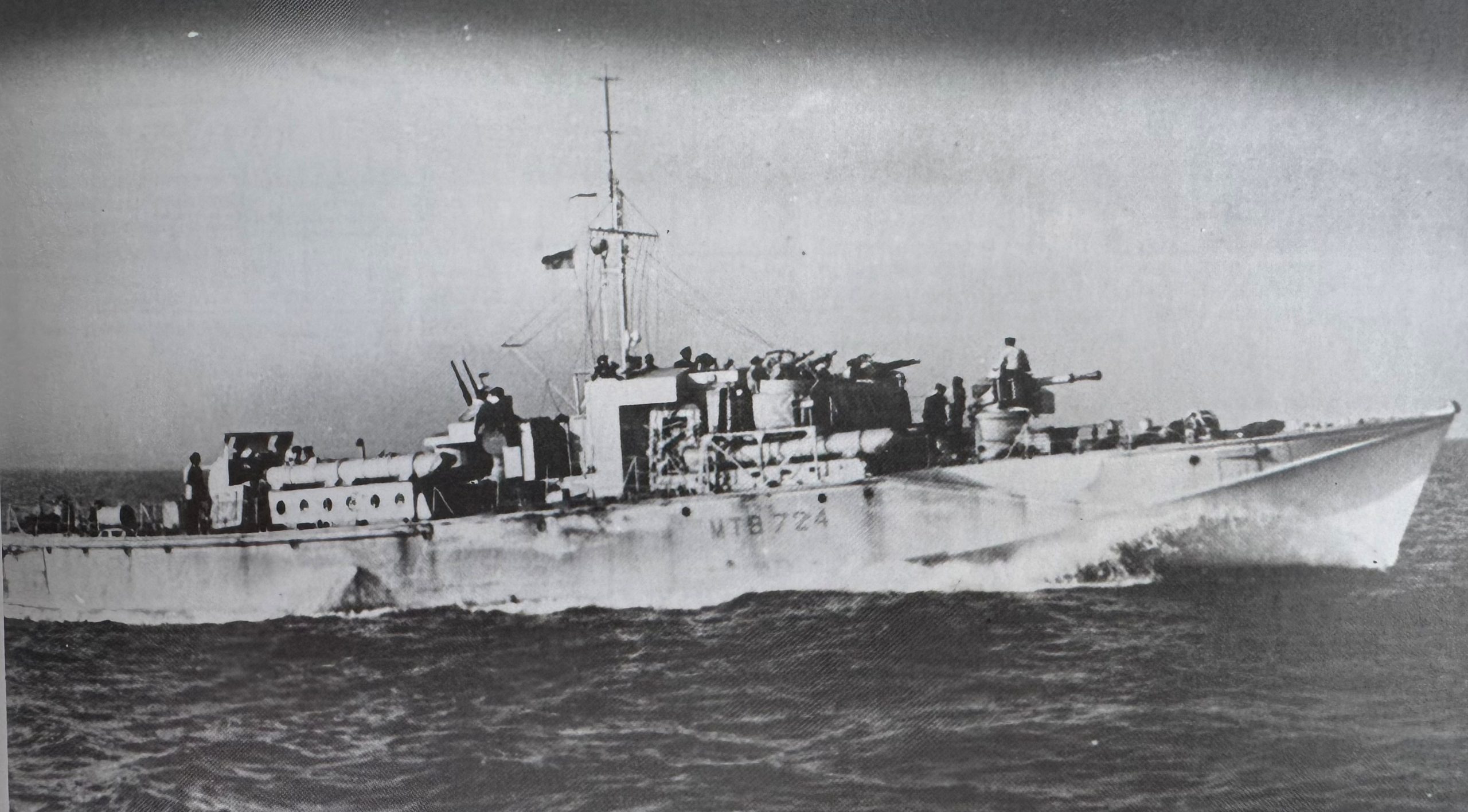
The Admiralty ordered 12 of this design now known as the Fairmile A. The design had some shortcomings in operation but, importantly, proved the mass production concept. The Admiralty commenced development and testing at Haslar and their small craft designer, W J Holt produced the design for the Fairmile B which was put into production by the Fairmile company – nearly 500 were built by 43 different firms in the UK and 150 elsewhere around the Commonwealth. The A design was resurrected in modified form to provide the C – essentially faster and better armed, now powered by Packard engines. But perhaps the ultimate in Coastal forces craft was the D, another Holt design which appeared in 1942. These could make over 30 knots and were the most heavily armed coastal forces boats on either side during the war. Some 230 were built. They were used more in a strike role, whereas the earlier boats were primarily patrol and escort vessels.