The Womens Royal Naval Service
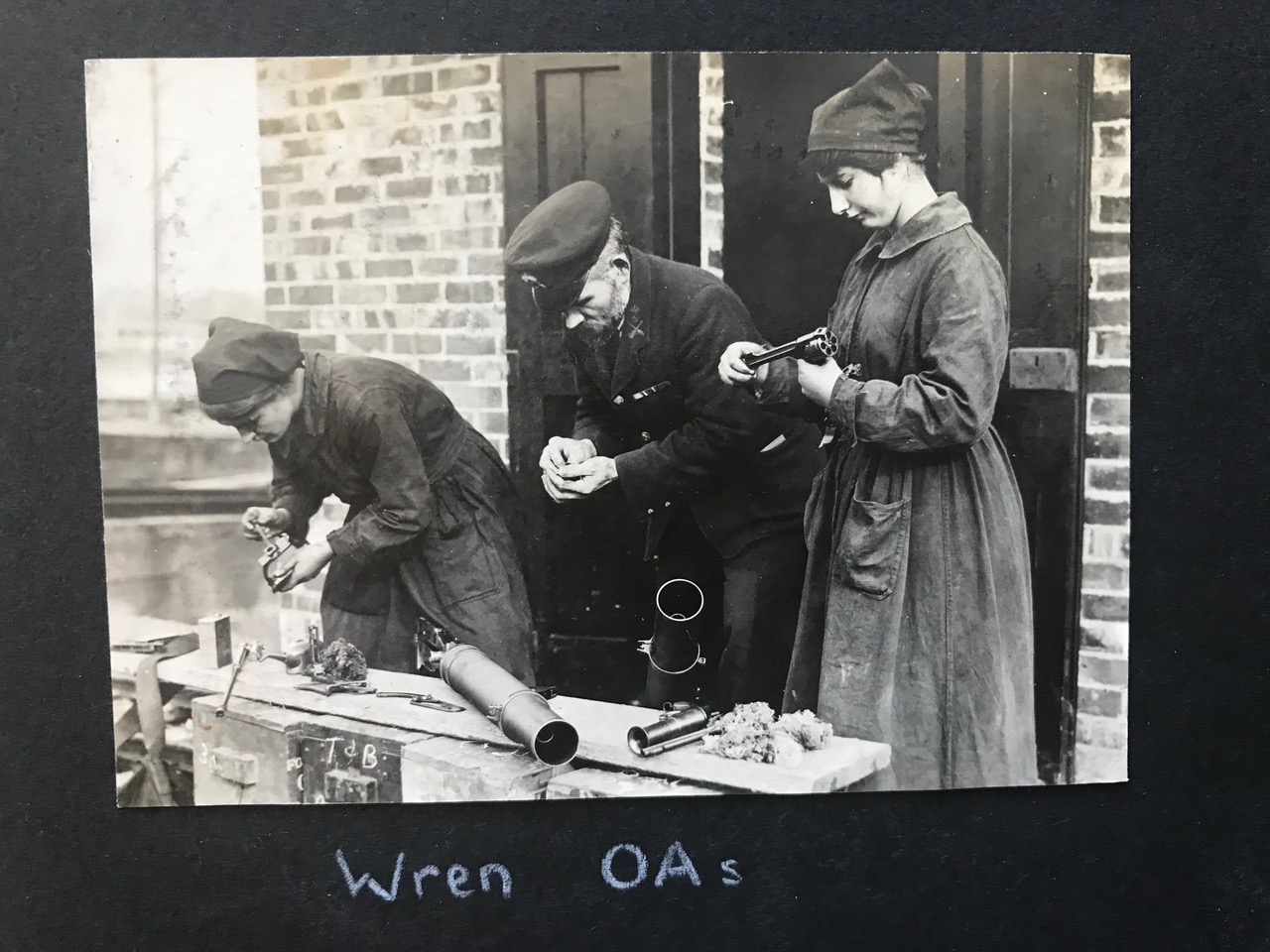
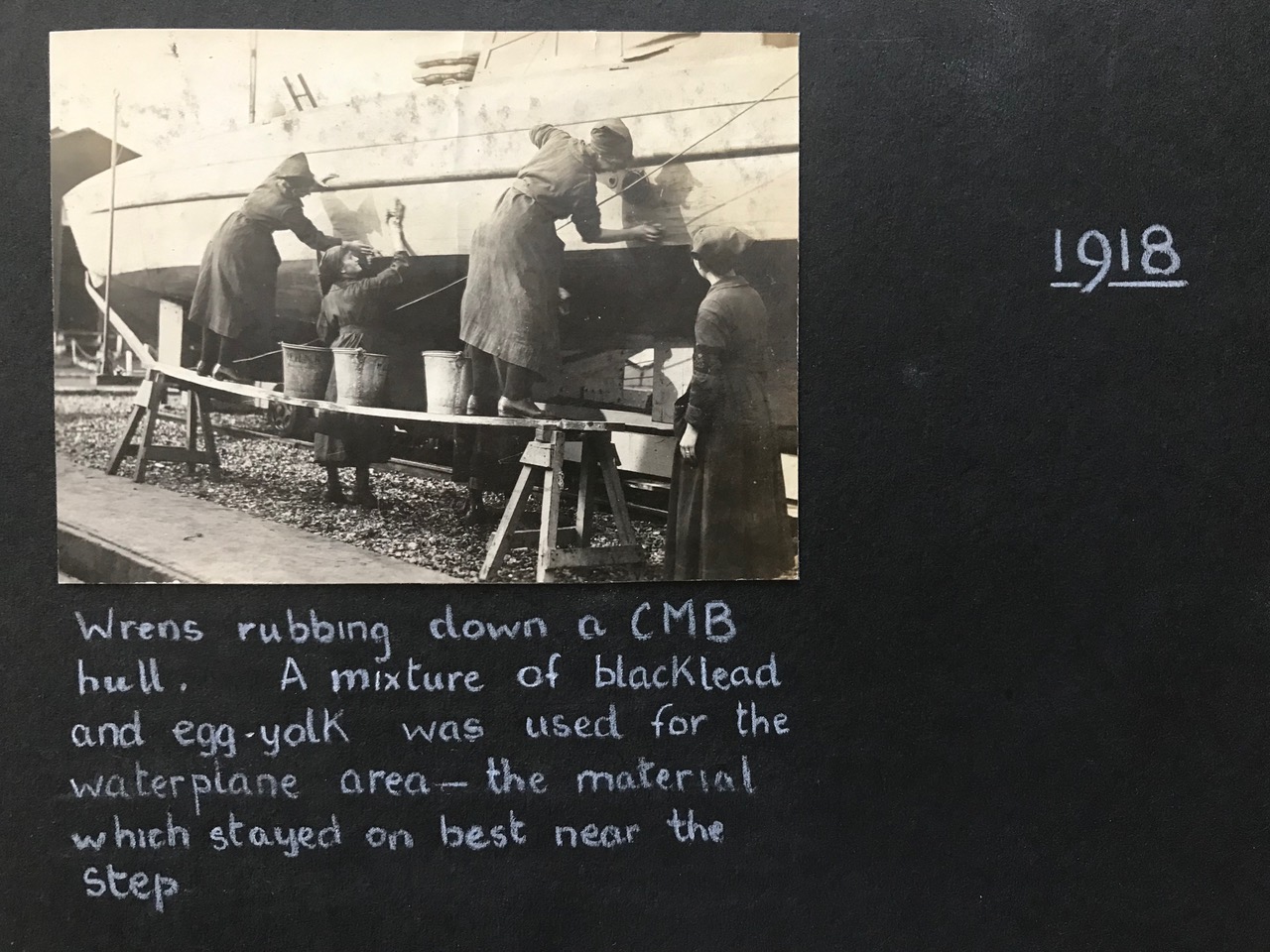
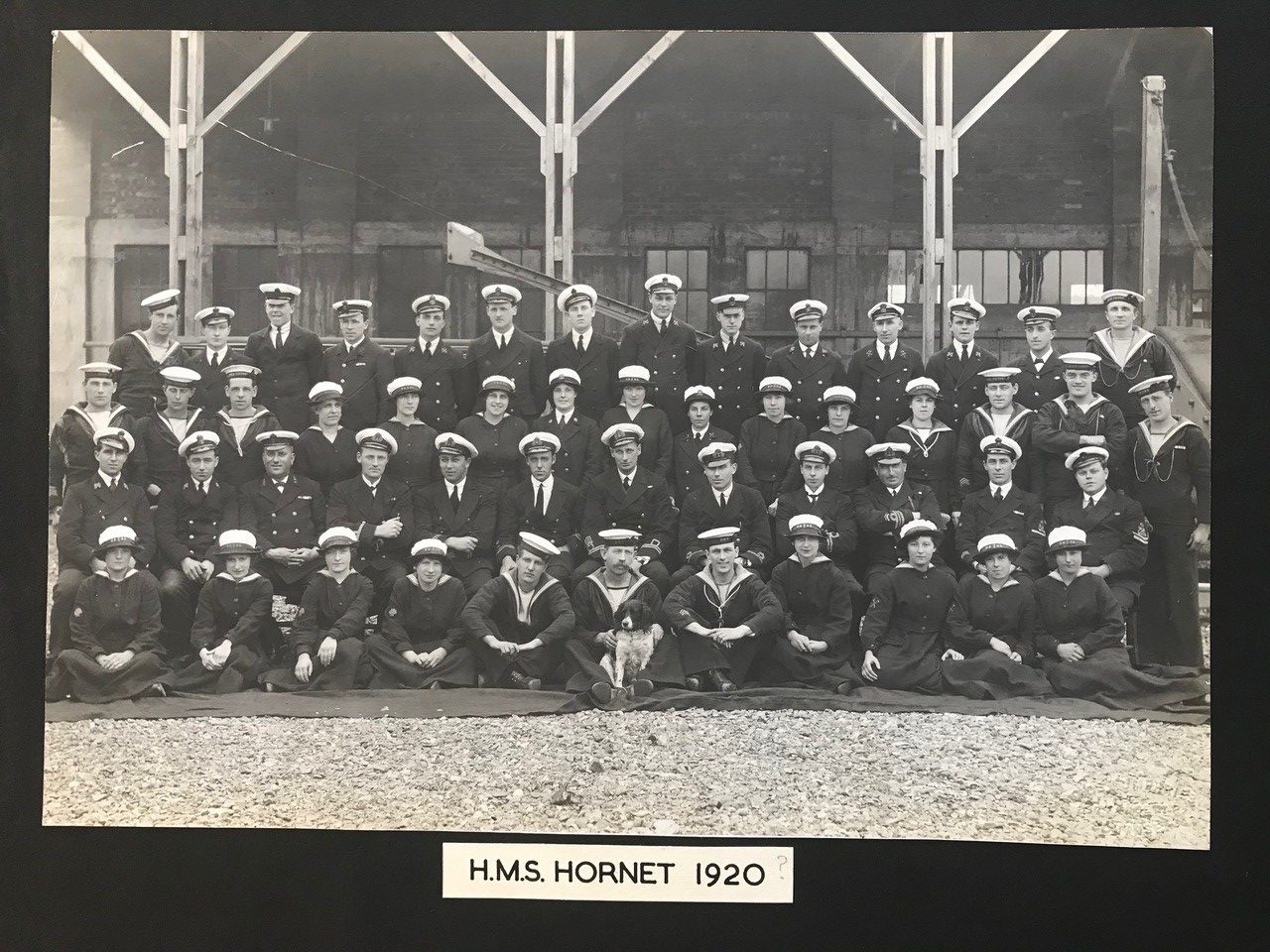
Women served in the WRNS during the First World War and a good number were based at HMS Hornet in Gosport, which became the home base of the Thornycroft-designed Coastal Motor Boats. Formed in 1917, there were around 5,500 by the end of the war. A further 3,000, who had been part of the Royal Naval Air Service, chose to transfer to the newly formed Royal Air Force.
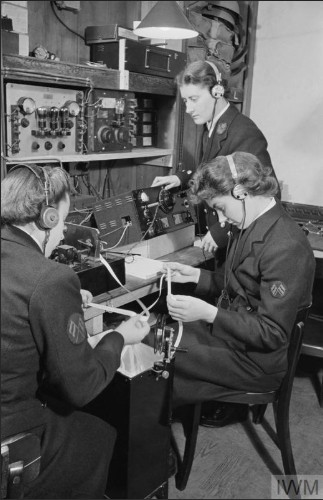
The branch was disbanded in 1920 and then revived in 1939 as the Second World War loomed. They were signallers, cooks, clerks, radar plotters, weapons analysts, electricians, ordnance engineers, vehicle drivers and flew air transport planes. Famously they worked at Bletchley Park codebreaking the German Enigma cypher machines.
By the end of the war there were 75000 active servicewomen. Around 3000 worked with Coastal Forces.
Pause for a moment and reflect on how far women in the Armed Forces have come since those challenging times…
The First World War
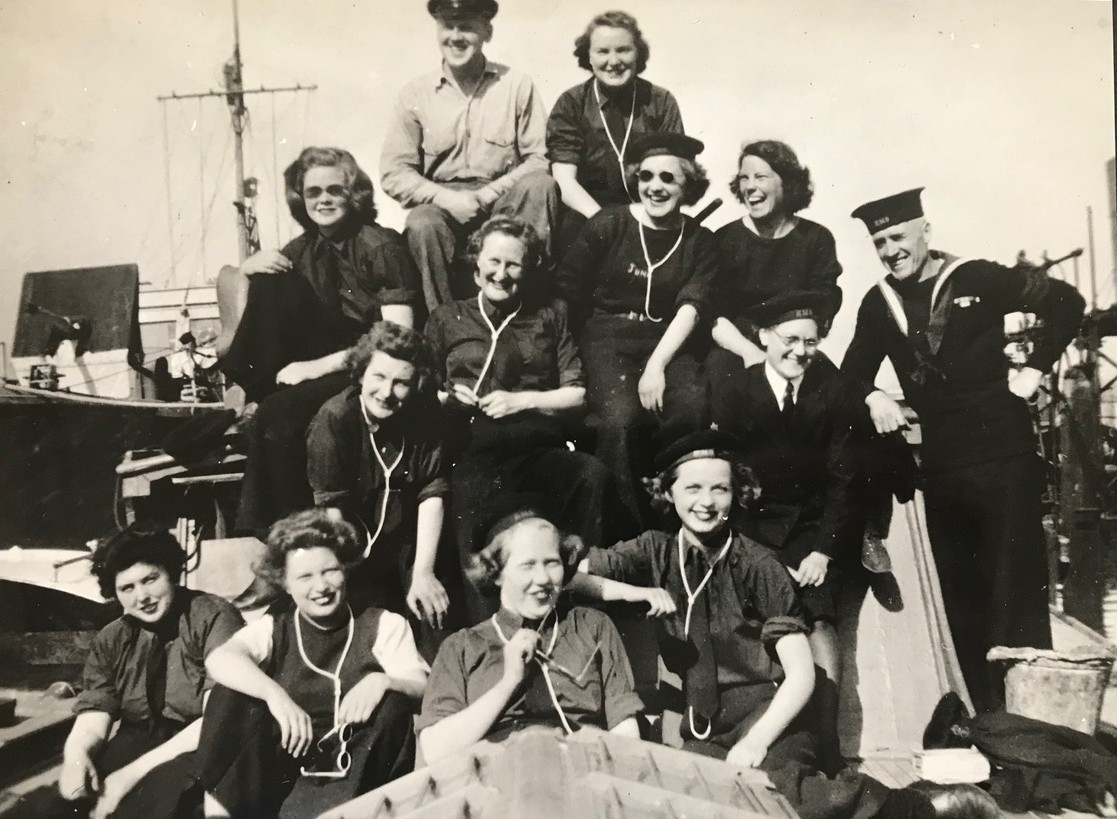
The Second World War
These early images come courtesy of the Naval Historical Branch…
The Coastal Forces Wrens performed three broad functions in the Second World War:
- Administrative and clerical work, sorting out pay and drafting as well as secretarial duties and welfare.
- Technical and operational work such as engine mechanics, weapons engineers and electricians working to repair the boats and prepare them for their next missions. They also operated the radio circuits as their vocal ranges were particularly clear over those crackly, noisy early transmissions. Their communications duties included flashing light (using high-powered Aldis Lamps and Morse Code at up to 15 words per minute) and semaphore – using flags.
- Support roles such as cook, drivers and dispatch drivers.
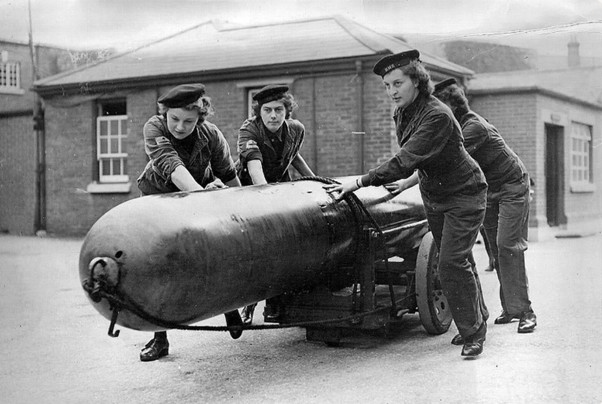
Pamela Headington served as a Torpedo specialist and as well as working to prepare, arm and load torpedoes onto the MTBs, she also taught the sailors operating the boats. Coastal Forces fired more torpedoes and sank more ships than the Submarine Service, thanks to women like Pamela.
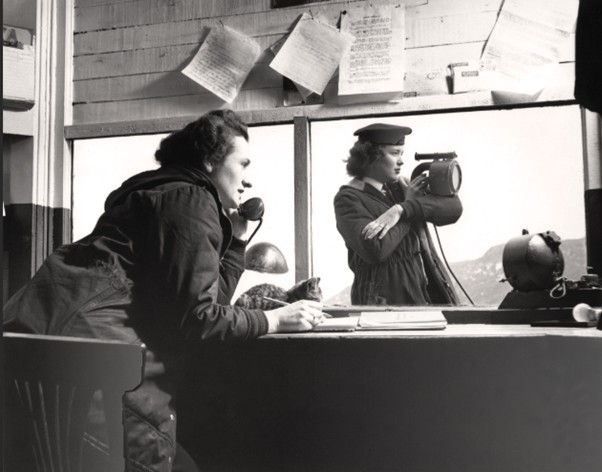
Evette Flindt was a professional dancer before the war. Two boyfriends were killed in action and ‘determined to do her bit’, she joined the Air Training Corps disguised as a boy. She was eventually found out and transferred to the WRNS where she trained as a signaller, serving on the Isle of Wight. She was based near Yarmouth and a key role was to pass messages to and from the Coastal Forces boats as the departed on their night hunting expeditions – and as they returned home. When the boats were damaged – as they often were, radio communications (which were haphazard at the best of times) did not always work, so the Aldis Lamp and Morse Code were critical. Many a time, the Wren Signallers up on the Needles Battery would provide the critical connection between the boat, the medical teams and maintenance parties ashore – as well as the Command elements coordinating the battle.
After the war Eve danced with the Ballet Rambert before joining British South American Airways and meeting her husband, Ted Branson in 1949. She was involved with the Coastal Forces Heritage Trust for a while, particularly the restoration of MGB 71, now in the Night Hunters Museum. Ted died in 2011 and Eve passed on in 2021. Their son Richard is a well-known entrepreneur.