
Peter Du Cane and the Vosper Company
Scott-Paine’s initial competition came from another Solent-based boatbuilder – Peter Du Cane and the Vosper company.
Herbert Vosper established Vosper and Co in 1871 at the Camber in Old Portsmouth. Their early work was in refitting coastal vessels, but they developed their own steam reciprocating engines, tug building, yacht and launches for the Admiralty and export. They were early pioneers of the internal combustion engine, developing vapourising paraffin and crude oil engines. They were well known for the reliability and strength of their products, but were probably most famous in the early 20th century as engineers and boilermakers.
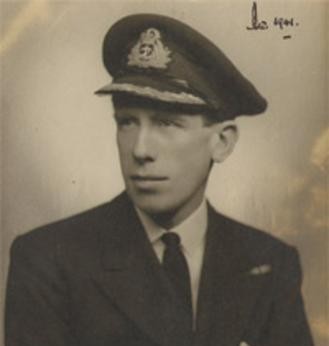
Peter Du Cane joined the Navy at the age of 13, leaving in 1928 to fly Westland biplanes with the Royal Air Force for a couple of years before being recruited by Glen Kidston (the renowned racing driver, aviator, big game hunter and lothario who knew Du Cane from the Navy and who had the unusual distinction of being torpedoed twice on the same day by the same submarine…) as the Chief Designer at Vospers. The company started to dabble with high speed craft.
Du Cane became the MD in 1931 and his designs for Malcolm Campbell’s Bluebirds held a number of world water speed records. The first Vosper MTB was built as a private venture, reached 48 knots on trials and was chosen by the Admiralty after an extensive trials programme in 1938. Powered initially by Italian Isotta-Fraschini race engines, they could reach over 40 knots. MTB 102 was that first boat and miraculously she survived the war, having served at Dunkirk (where she was commanded by Lt Christopher Dreyer – who along with his son William eventually became a Trustee of Coastal Forces Heritage Trust. MTB 102 carried Winston Churchill and Ike for the D Day review, appeared in The Eagle Has Landed and is currently in refit in a boatyard at Oulton Broad, near Lowestoft.
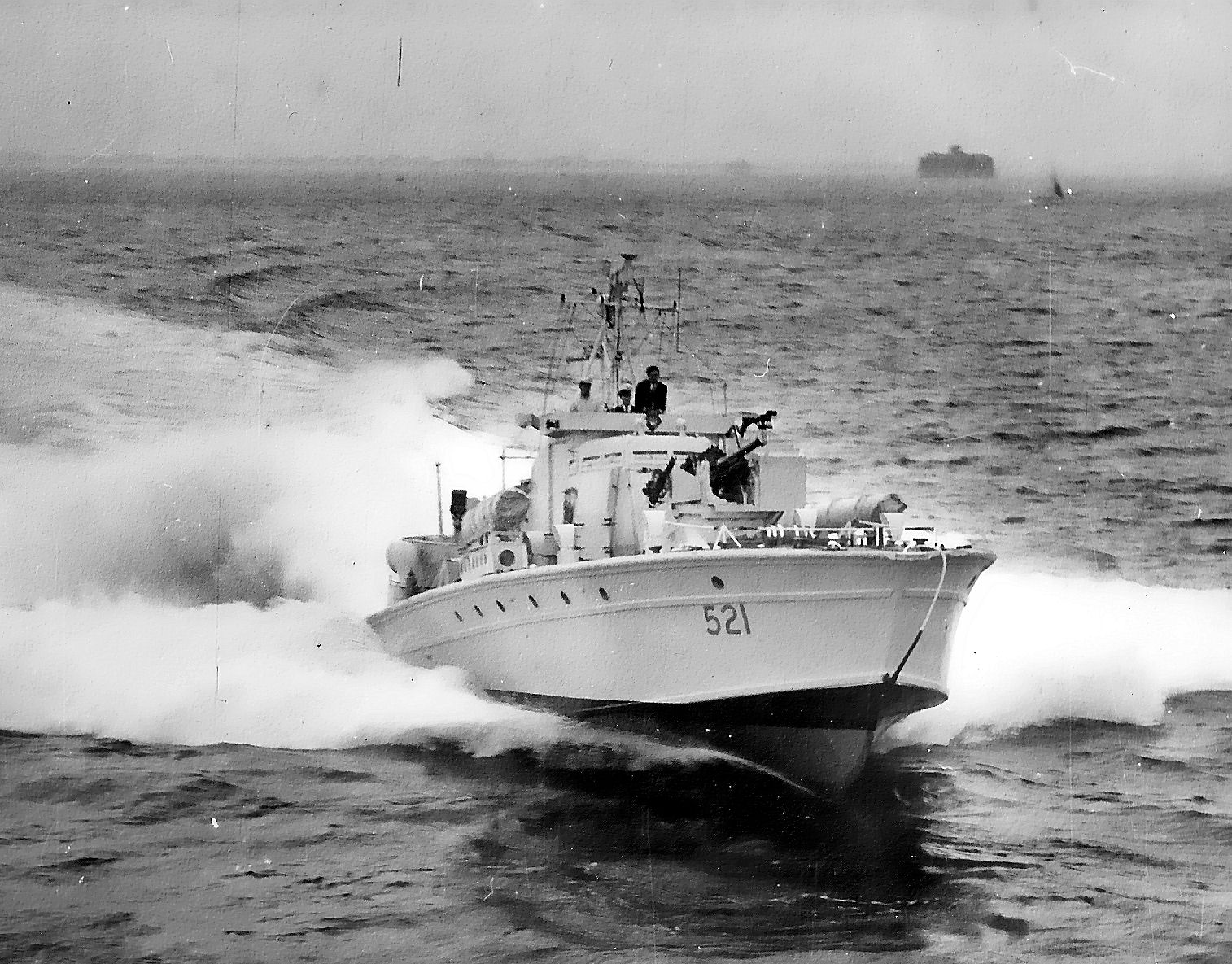
Vospers built around 350 MTBs for the Navy as well as a long line of major warships. They were at the forefront of patrol boat design into the 1960s.
In 1966 they joined forces with Thornycrofts, going on to build the Type 21 Amazon class frigates, several Type 42 destroyers, the fast training boats Scimitar, Cutlass and Sabre, the Single Role Minehunters and large bits of the aircraft carriers. In 2008 VT’s shipbuilding merged with BAE Systems, consolidating much of the UK’s naval shipbuilding capacity, whilst the remainder became part of Babcock International – who run Devonport and Rosyth dockyards and are building the Type 31 frigates.
Interestingly, they pioneered the installation of marine gas turbines with the fitting of a Rolls Royce RM60 into Peter Scott’s old command, the Steam Gun Boat HMS Grey Goose. Small world!
Peter Du Cane eventually rejoined the Navy as a test pilot with the Fleet Air Arm. He was made Commander of the British Empire in 1964 and later in life retired to Glandore in West Cork. He died in 1984.